
Quick answer
The best dental marketing strategy for 2026 is a layered one: a converting website as the foundation, local SEO and AI visibility to get found, and paid ads for speed — all sequenced to your budget and goals. No single channel wins alone; they compound. Start with the website and Google Business Profile, add SEO and AI, then use Google and Meta ads to accelerate leads once the foundation converts.
Marketing a dental practice in 2026 isn’t about picking one tactic — it’s about building a system where each channel makes the others work harder. A great website converts the traffic SEO and ads bring; strong reviews lift both your local rankings and your AI visibility; paid ads deliver leads while SEO compounds in the background. This is the complete strategy, channel by channel, with a clear order to build them in. Each section hands off to a deep-dive guide when you want the detail.
What does dental marketing look like in 2026?
Patients now find dentists across search, maps, social feeds, and AI chatbots — often several of these before they book. That means visibility alone isn’t enough; you need to show up consistently and convert when they land. The practices that win treat marketing as one connected system rather than a set of disconnected tactics, and they measure everything on booked patients, not vanity metrics. The rest of this guide breaks that system into its parts.
Foundation: does your website convert?
Everything else drives traffic to your website, so if it doesn’t convert, every other channel wastes money. A converting dental site is fast, mobile-first, easy to book from, and packed with trust signals. Before spending on traffic, make sure the destination is ready — the full checklist is in the 12 features that convert, and if you have traffic but no enquiries, start with why your website isn’t getting leads. For a build done for you, see our dental website design service.
Getting found: how does SEO fit in?
SEO is the channel that compounds — the work you do now keeps bringing patients for years, and it lowers your cost per patient over time. It covers the technical health of your site, optimised treatment pages, and the authority that lifts you up the rankings. It’s slower than ads but far cheaper in the long run. The complete overview is in the complete guide to dental SEO, backed by our dental SEO service.
Local dominance: how do you win your area?
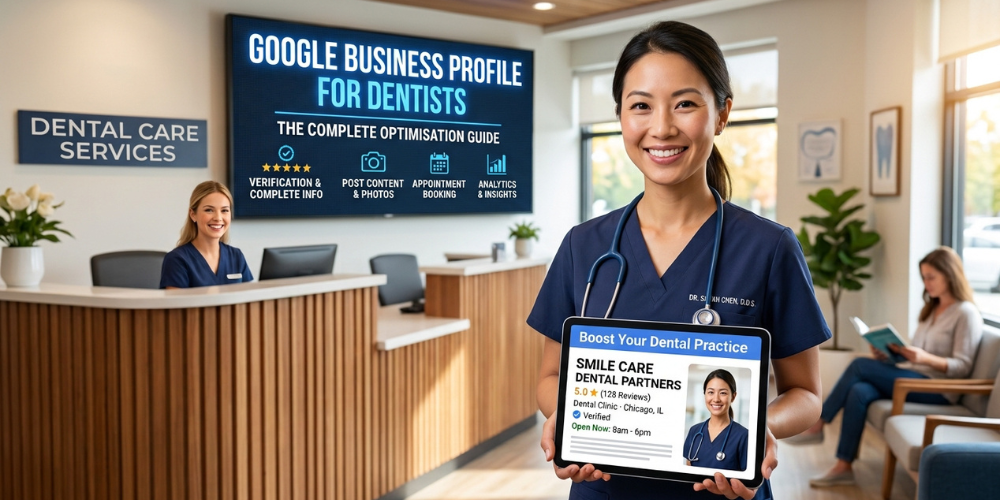
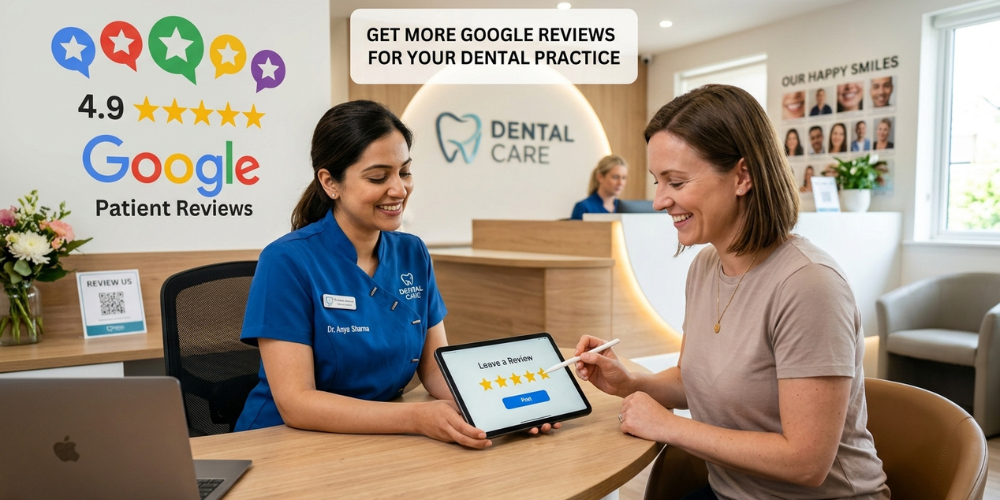
For a dental practice, local search is where most leads come from – the map pack sits above the normal results and captures the majority of clicks. Winning it comes down to a fully optimised Google Business Profile, consistent citations, and a steady flow of reviews. This is often the fastest channel to show returns. Go deeper in local SEO for dentists, and see our local SEO and Google Business Profile management services.
Feeling like there are too many channels to juggle? Get a free, tailored marketing audit and we’ll show you exactly which ones will move the needle for your practice first.
AI search: are you visible where patients now ask?
A growing share of patients ask ChatGPT, Gemini, or Google’s AI Overviews for a recommendation before they ever visit a website. Being the practice AI names is the new front line, and competition is still low — so early movers win a lead that’s hard to overturn. Start with AI SEO for dentists and our AI SEO service.
Paid ads: how do you get leads fast?
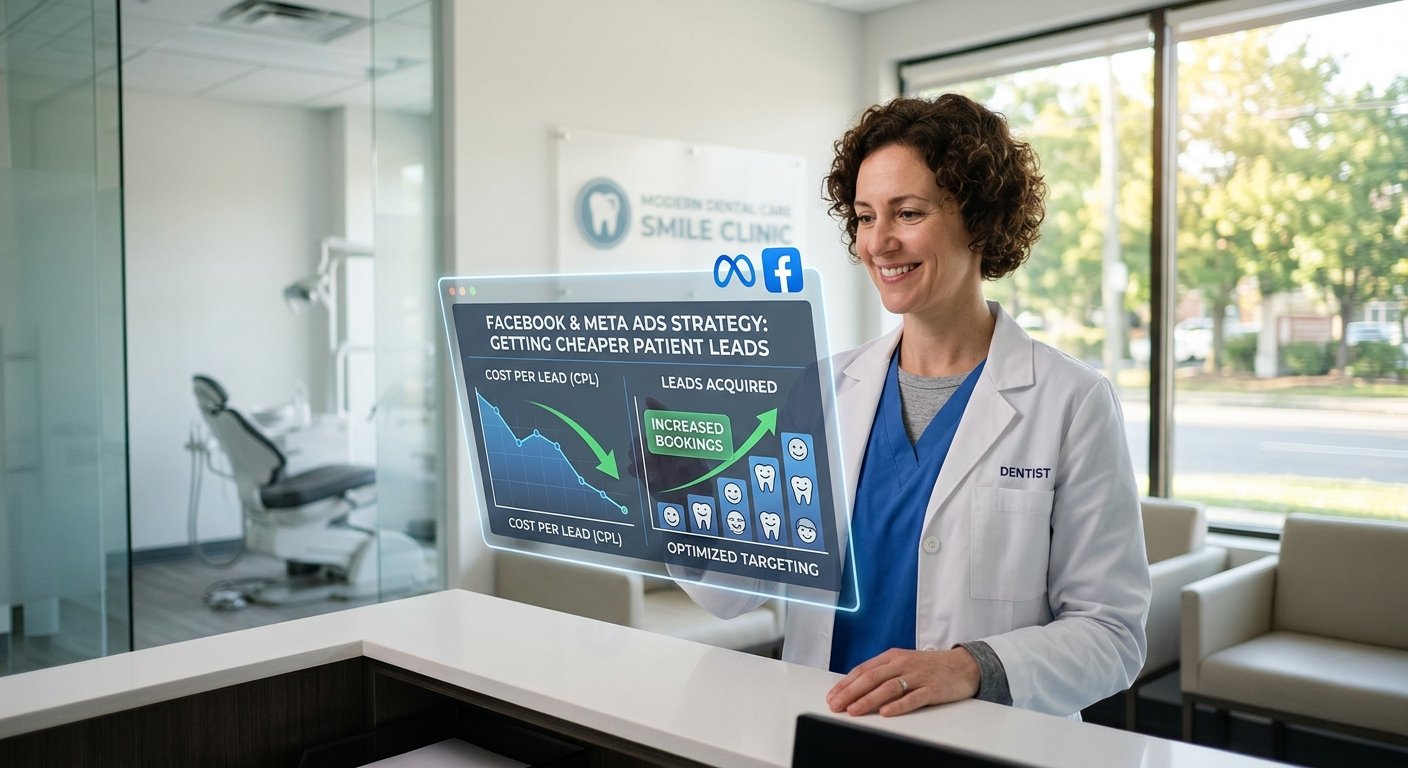
SEO and AI compound over months; ads deliver leads now. Google Ads captures patients already searching for treatment, while Meta ads generate cheap demand for high-value cosmetic cases. Used well, paid is the accelerator you run alongside the slower-building channels. See Google Ads for dentists and Facebook & Meta ads for dentists, backed by our Google Ads and Meta ads services.
Budget and priorities: how do you sequence it all?
You don’t build everything at once. A sensible order for most practices is: fix the website so it converts, optimise your Google Business Profile and local SEO, layer in AI visibility, then add paid ads to accelerate — adjusting to your budget and growth goals. To set the numbers and split your spend across channels, use how much a dental practice should spend on marketing. Sequenced this way, each pound builds on the last instead of being spread thin.
This is a lot to build – and building it in the wrong order wastes months and money. Get a free, tailored marketing audit and we’ll hand you a prioritised 12-month plan built around your practice.
Frequently asked questions
What is the best marketing strategy for a dental practice?
A layered approach: a converting website, local SEO, AI visibility, and paid ads for speed — sequenced to your budget and goals.
How do I start marketing my dental practice?
Start with your Google Business Profile and website conversion, then add SEO and ads once the foundation reliably converts visitors.
How much should a dental practice spend on marketing?
Many UK practices spend around 5 to 10% of revenue, higher when actively growing or competing in a busy area.
Which dental marketing channel works fastest?
Paid ads and local SEO show returns soonest, while SEO and AI visibility compound into cheaper leads over time.